End poverty together.

Emergencies & Conflict

Urmila Devi, 55, stands in front of flooded farm land and abandoned huts.
Photo: Sanjit Das/ActionAid

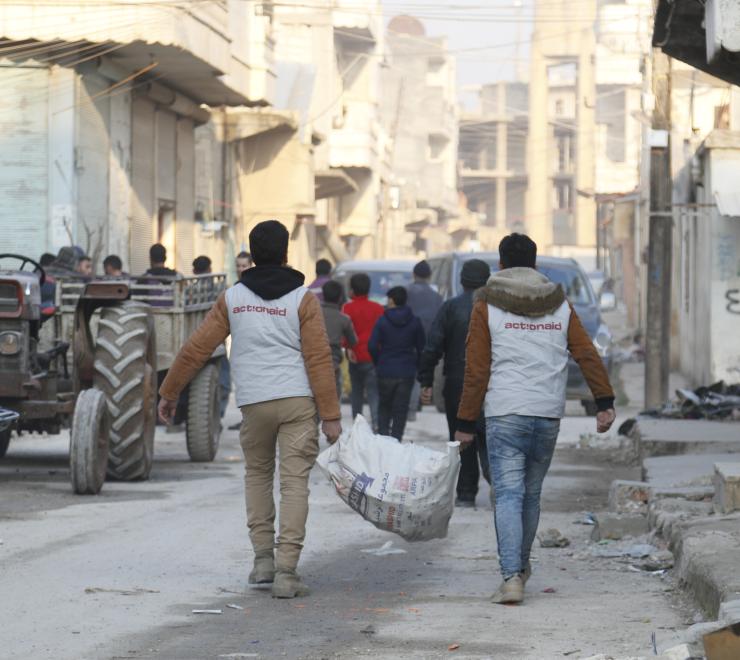
When disaster strikes, we can respond within hours, providing vital things like food and shelter. We link our response to our ongoing projects, and we stick around as long as we’re needed, providing practical support, and making sure local people have a say in rebuilding their communities and livelihoods.

Disasters can hit anyone at any time. But people living in poverty are particularly at risk. They are likely to live on the most vulnerable land and in the most precarious housing.

Missing out on vital information – lacking a radio or phone to get warnings, or literacy skills to read safety advice – few resources and poor government protection, people living in poverty often suffer the most in a crisis.

In turn, disasters increase poverty, wiping out homes and livelihoods and causing a vicious circle of poverty, vulnerability and crisis. That's why our work with people affected by emergencies and conflict plays a key part in our fight against poverty.

Every year over 300 million people are affected by disasters. The poorest and most excluded are often hardest hit.

How we work on emergencies
  • Experience shows disasters have a different impact on different groups.  The most vulnerable - the poorest and most excluded - tend to be hardest hit.

    Children attend psychosocial activities at Ecole Communautaire De Philippeau in
  • Responding immediately once a disaster strikes can not only save lives, but also helps reduce suffering and means people can recover more quickly.

    ActionAid with the help of local partner COZPAM building a transitional sh
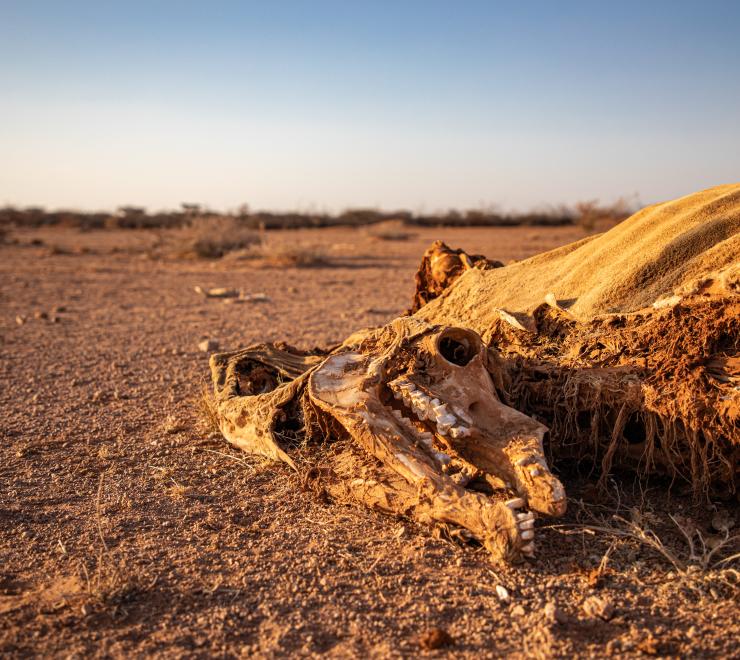
  • Poor rains in the last two rainy seasons have led to severe drought across large parts of the Horn of Africa, affecting over 13 million people.

    Halima Hassan in Gambella village,Isiolo district. Kenya
  • Nearly six months on from the heavy monsoon rains which caused severe flooding across Asia, many of those affected are still relying on emergency relief.

    Thailand Floods 2011
  • One year on from fighting which displaced a million people in Cote d’Ivoire, the humanitarian crisis is far from over.

  • Two years on from the devastating earthquake of 12 January 2010, ActionAid Haiti's response continues, helping the most vulnerable to rebuild their shattered lives.  

    We have made significant progress in supporting the most vulnerable Haitians to start to get back on their feet, and we are grateful to the many donors – both the general public and big institutions – who have helped us do this.

    Jean-Claude Fignolé, Director of ActionAid Haiti.

  • Human rights are particularly vulnerable to abuse during conflicts – and women and girls tend to suffer the most.

  • Disasters are not 'natural'. They can often be prevented and their impact mitigated.

  • In the chaos and confusion of a disaster, the voices of those affected can get lost.  And even before disasters strike, as well as in their aftermath, people living in poverty are often excluded from the important decisions which could reduce their vulnerability and help them to recover from crises.

  • Friday 19th August is World Humanitarian Day. This year we are co-chairing the event with the UN, the first time ever that a charity has co-chaired.

  • Thursday 13th October 2011 is International Disaster Reduction Day.  The day is celebrated annually to raise awareness of what we can all do to reduce our risk to disasters.  With a number...
Latest updates
Syndicate content
  •  
  •  
  •  
  •